


Vitaran Eyes Skin Booster for the Eye Area: What Makes It So Talked About
The eye area is often the first place to show tiredness, dehydration and fine creasing. It is also one of the hardest areas to treat well. The skin is thin, the anatomy is delicate, and heavy products can look obvious quickly.
That is why injectable skin boosters for the eye area have become such a big talking point in aesthetic medicine. They sit in a space between skincare and more structural injectables. Rather than adding obvious volume, they aim to improve the look and feel of the skin itself.
Among them, Vitaran Eyes has attracted a lot of attention. Practitioners are discussing it, clients are asking about it, and it is often mentioned in the same breath as polynucleotide treatments, regenerative aesthetics and natural-looking skin quality treatments.
This article is informational only and does not replace advice from a qualified medical or aesthetic practitioner.
Why the eye area needs its own kind of treatment
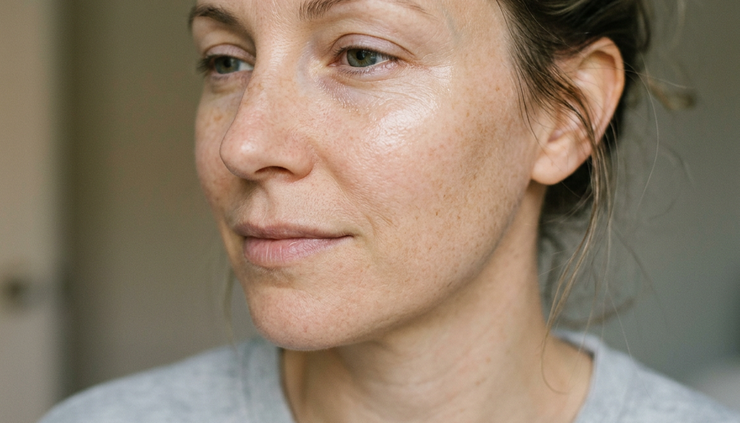
The skin around the eyes is different from the skin on the cheeks, forehead or jawline. It is thinner, more mobile and more sensitive to small changes. A minor amount of puffiness, dehydration or pigment can make the area look more tired than it really is.
Common concerns include:
Fine lines and crepey texture
Dull or dehydrated-looking skin
Mild hollowing or shadowing
Loss of firmness
Dark circles caused by several overlapping factors
Puffiness, especially in the lower eyelid area
This is also why treating the eye area is not always simple. A thick filler can look puffy if placed poorly. Rich eye creams can irritate some people. A laser or peel may help texture, but not everyone is suitable for energy-based or resurfacing treatments.
Skin boosters offer another route. They are usually used to support hydration, elasticity and overall skin quality. With eye-area boosters, the goal is subtle improvement rather than a dramatic change in facial structure.
That distinction matters. Many people do not want their under-eyes to look “done”. They want the skin to look fresher, smoother and less tired while still moving naturally.
What Vitaran Eyes is designed to do
Vitaran Eyes is an injectable skin booster made for the delicate periocular area, meaning the area around the eyes. It is often discussed as a polynucleotide-based treatment.
Polynucleotides are long chains of nucleotides, which are the building blocks found in DNA and RNA. In aesthetic medicine, polynucleotide treatments are used to support skin quality, hydration and repair processes. They are not the same as traditional dermal fillers, and they are not used to freeze muscle movement like anti-wrinkle injections.
A good way to understand the difference is to think about the treatment goal.
Dermal filler
Anti-wrinkle injections
Skin boosters
Vitaran Eyes
Adds or restores volume in selected areas
Reduce specific muscle activity to soften expression lines
Improve the look and feel of the skin itself
Targets skin quality in the delicate eye area
The appeal of Vitaran Eyes Skin Booster is that it focuses on the skin rather than changing the face. For someone with fine texture, dehydration or a tired-looking under-eye area, that can be a more suitable direction than simply adding volume.
This does not mean it is right for every concern. If the main issue is deep under-eye hollowing, prominent fat pads or significant skin laxity, a practitioner may suggest a different treatment or a combination plan. The eye area often needs careful assessment rather than a one-size answer.

Why Vitaran Eyes has become so talked about
Some treatments become popular because of hype. Others gain attention because they match a real shift in what people are asking for. Vitaran Eyes seems to sit close to the second group.
Aesthetic trends have moved away from obvious volume and towards skin quality. People still want results, but many prefer treatments that look quiet and natural. They want to look healthier, not altered.
Vitaran Eyes fits several current treatment preferences.
It supports a more natural look
The biggest reason for the interest is the kind of result people associate with skin boosters. The aim is not a filled under-eye or a frozen expression. It is softer-looking skin, better hydration and improved texture over time.
That is especially useful around the eyes, where even small overcorrections can stand out.
It speaks to the “tired eyes” concern
“Tired eyes” can mean many things. For one person, it means fine lines when smiling. For another, it means dull skin and shadows. For someone else, it means dryness that makes concealer crease.
Vitaran Eyes is often discussed because it targets the skin quality part of that concern. It may not remove every cause of dark circles, but it can be part of a plan when the skin itself looks thin, lacklustre or dehydrated.
It is part of the polynucleotide conversation
Polynucleotides have become a major topic in aesthetics. Practitioners are using them for areas where they want to encourage gradual improvement rather than create instant volume.
The under-eye area is one of the places where this approach makes sense, provided the treatment is suitable and performed carefully.
It can sit alongside other treatments
Another reason for the buzz is that Vitaran Eyes can often be discussed as part of a wider skin plan. It may be considered alongside skincare, microneedling, laser, anti-wrinkle treatment or other injectables, depending on the person and the concern.
That does not mean more is always better. Around the eyes, restraint is valuable. A thoughtful practitioner will look at the cause of the concern before adding treatments.
What the treatment experience is usually like
A proper appointment should start with a consultation. The practitioner should assess the under-eye area, skin quality, medical history, previous treatments and expectations.
They may ask about:
Medical conditions and allergies
Pregnancy or breastfeeding
Previous filler or eye-area treatments
Skin sensitivity or active infections
Tendency to bruise or swell
Current medication or supplements
The treatment is usually performed with small injections placed carefully around the eye area. Because this region is delicate, technique matters. The practitioner needs a good understanding of anatomy and product behaviour.
Some people may feel a light stinging, pressure or pinching during treatment. Numbing options may be used, depending on the clinic and the individual case.
After treatment, the area may show temporary signs such as:
Small bumps at injection points
Redness
Mild swelling
Tenderness
Bruising
A tight or slightly puffy feeling
These effects are usually short-lived, but the eye area can bruise and swell more easily than other parts of the face. That is one reason good timing matters. It is sensible not to book treatment immediately before an important event.
Results from skin boosters are generally gradual. Some people notice hydration and freshness first. Texture change often takes longer. Practitioners may recommend a course of treatments rather than a single appointment, but the exact plan should be personalised.

Who may be a good candidate
Vitaran Eyes may be discussed for people who want to improve the appearance of the eye area without adding obvious volume. It is most often associated with mild to moderate skin quality concerns.
It may be suitable when the main issue is:
Fine, crepey texture
Under-eye dehydration
Early signs of laxity
Dullness around the eyes
Subtle tiredness linked to skin quality
It may be less suitable when the main issue is:
Large under-eye bags caused by fat pads
Significant loose skin
Deep tear trough hollowing that needs structural correction
Pigmentation caused by genetics, vascular colour or medical factors
Active infection, inflammation or irritation around the eyes
Dark circles deserve special mention. They are rarely caused by one thing. They can come from pigmentation, visible blood vessels, skin thinness, shadowing, bone structure, allergies, sleep, lifestyle factors or a mix of all of these.
That means no single eye treatment can honestly promise to erase dark circles for everyone. A skin booster may help if poor skin quality is part of the picture, but it may not change pigment, anatomy or puffiness.
A good consultation should explain this clearly. The best outcomes usually come from matching the treatment to the real cause of the concern.
How it compares with other eye-area options
The under-eye area has several treatment options, and each has a different role. Vitaran Eyes is best understood by comparing it with the treatments people often ask about.
Eye cream
Eye creams can support the skin barrier, improve hydration and help with dryness. Ingredients such as ceramides, peptides, retinoids, vitamin C and sunscreen can all have a place, depending on tolerance.
But topical products cannot do everything. They sit on or work within the upper layers of skin. Injectable skin boosters are delivered below the surface, which is why they sit in a different category.
That said, skincare still matters. A booster will not replace daily sunscreen, gentle cleansing or barrier support.
Tear trough filler
Tear trough filler is used to address hollowing and shadow caused by volume loss or anatomy. When done well on the right person, it can make a meaningful difference.
But filler is not ideal for every under-eye concern. If the skin is thin, puffy or prone to fluid retention, filler may not be the best first step. Some people need skin quality improvement rather than volume.
Vitaran Eyes is often discussed as an option in these cases because it is not primarily a volumising product.
Anti-wrinkle injections
Anti-wrinkle injections can soften dynamic lines, especially those caused by repeated muscle movement. Around the eyes, this often means crow’s feet.
They do not directly hydrate the skin or improve crepey texture. Many treatment plans use different approaches for different concerns, such as muscle movement, skin quality and volume.
Laser, peels and microneedling
Resurfacing or collagen-stimulating treatments can help texture, tone and firmness in suitable candidates. They can be powerful, but they may involve downtime, aftercare and suitability limits, especially around the eyes.
A practitioner may prefer a skin booster when the aim is gradual under-eye improvement with less surface disruption. In some cases, treatments are combined over time, but spacing and sequencing should be handled carefully.
What to ask before booking
The popularity of a treatment should never be the only reason to choose it. The more delicate the area, the more important the practitioner becomes.
Before booking Vitaran Eyes, it is reasonable to ask:
Are you trained and experienced in treating the under-eye area?
Why do you think this treatment suits my concern?
What result is realistic for my skin?
How many sessions might I need?
What side effects should I expect?
What are the risks in this area?
What should I avoid before and after treatment?
What happens if I have swelling, bruising or an unwanted reaction?
The practitioner should answer clearly and without pressure. They should also be comfortable saying no if the treatment is not right.
Be cautious with anyone who promises a perfect result, guarantees dark circle removal or treats the under-eye area as a simple add-on. This is a delicate region, and conservative planning is often safer and more attractive.

The real reason Vitaran Eyes is getting attention
The interest in Vitaran Eyes reflects a wider change in aesthetic medicine. People are paying more attention to skin quality, not just lines and volume. They want treatments that respect facial movement and keep results subtle.
For the eye area, that approach makes sense. The skin here is delicate, expressive and unforgiving of heavy-handed work. A treatment designed specifically for this region naturally draws attention when it promises a softer route to fresher-looking eyes.
The key is expectation. Vitaran Eyes is not a magic erase tool for every under-eye concern. It is not a replacement for sleep, skincare, sun protection or skilled assessment. It is one option within a growing group of skin-focused treatments.
When chosen for the right reasons and performed by a qualified practitioner, it can be a thoughtful way to address tired-looking, dehydrated or finely textured skin around the eyes. The best results come from subtlety, patience and a plan that treats the eye area with the care it deserves.
Comments